Author: sjrpadmin

  • Best Roofing Materials for Low Slope Roofs: Top Picks

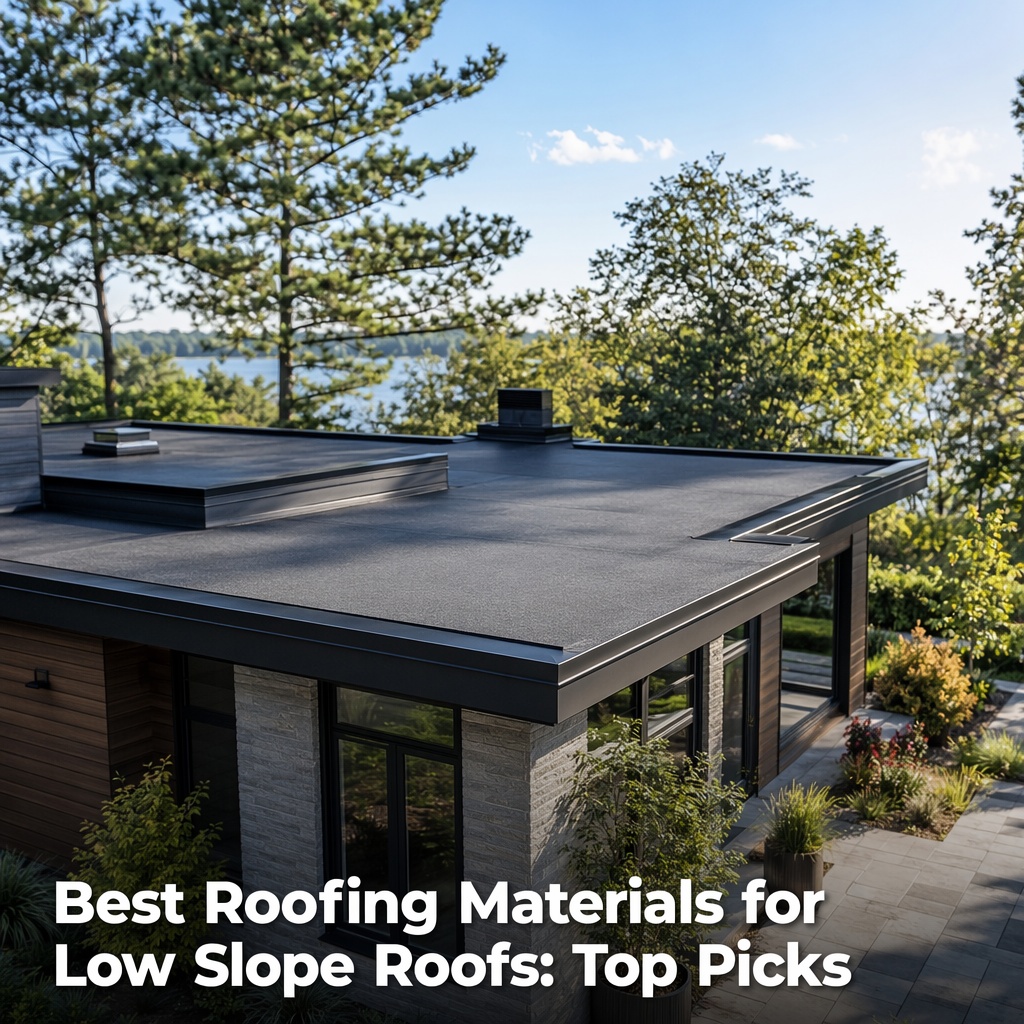
    Best Roofing Materials for Low Slope Roofs: Top Picks

    Choosing the right roofing material for a low slope roof is one of the most consequential decisions a property owner can make. Unlike steep-pitch roofs that shed water quickly, low slope roofs rely heavily on the material itself to manage moisture, resist pooling, and hold up under years of weather exposure. Get it wrong, and you’re looking at leaks, structural damage, and costly repairs far sooner than expected.

    Low slope roofs appear on everything from commercial warehouses to modern residential homes, and the material options available today are genuinely impressive. Each one comes with its own set of trade-offs involving cost, durability, installation complexity, and long-term performance. Understanding those differences before you commit to a purchase or sign a contractor agreement can save you thousands of dollars and years of frustration.

    This guide breaks down the top roofing materials suited for low slope applications, compares their real-world performance, and gives you the practical buying advice you need to make a confident decision. If you’re also exploring options for a steeper-pitched home, the guide to roofing materials for residential homes covers those scenarios in detail.

    What Makes Low-Slope Roofs Different

    A low slope roof is generally defined by a roof slope ratio of 3:12 or less, meaning the roof rises three inches for every twelve inches of horizontal run. Flat roofs, which are technically never perfectly flat, fall into this category as well. The reduced pitch creates unique challenges that standard roofing materials simply cannot handle.

    Water drainage becomes the central concern. Without adequate slope to move water off quickly, moisture tends to pond on the surface. Ponding water accelerates material degradation, promotes algae and mold growth, and increases the risk of leaks penetrating the roof membrane. Proper roof drainage design is essential, but so is choosing a material that tolerates occasional standing water without failing.

    Thermal expansion and contraction also hit low slope roofs harder. Large flat surfaces expand and contract significantly with temperature swings, which means the roofing material must be flexible enough to move without cracking or separating at seams. This is why materials like EPDM and TPO roofing have become industry standards for these applications.

    Roof Type Slope Ratio Common Materials Primary Challenge
    Flat Roof 0:12 to 1:12 EPDM, TPO, PVC Ponding water
    Low Slope 1:12 to 3:12 Modified Bitumen, BUR, Metal Drainage and seam integrity
    Conventional Slope 4:12 and above Asphalt Shingles, Tile Wind uplift

    How to Evaluate the Best Roofing Material for Low Slope Roofs

    Evaluating roofing materials for a low slope application requires looking beyond price per square foot. The right material depends on your climate, building use, budget, and how much ongoing roof maintenance you’re prepared to handle.

    Start with waterproofing capability. A material that cannot form a continuous, watertight barrier is a liability on any low slope or flat roof. Look for materials with proven seam strength and resistance to ponding water. Roof membrane integrity over time is a better indicator of performance than initial installation quality alone.

    Consider roof lifespan alongside upfront roof cost. A cheaper material that needs replacement in fifteen years may cost more over time than a premium option with a forty-year roof warranty. Factor in energy efficiency as well, since reflective roofing materials can meaningfully reduce cooling costs in warm climates. Roof insulation compatibility also matters, as some materials pair better with specific insulation systems than others.

    Top Roofing Materials Compared

    EPDM and Other Single-Ply Membranes

    EPDM roofing, short for ethylene propylene diene monomer, is one of the most widely used roofing materials for low slope and flat roof applications. It’s a synthetic rubber membrane that comes in large sheets, which reduces the number of seams and therefore the number of potential leak points. EPDM has earned a strong reputation in both commercial roofing and residential flat roof markets.

    The material is highly flexible, which makes it excellent at handling thermal expansion and contraction. It performs well in cold climates and resists UV degradation effectively. EPDM is also one of the more affordable single-ply membrane options, making it a popular choice for budget-conscious property owners.

    Other single-ply membranes in this category include modified versions with reinforced scrim layers for added puncture resistance. These are worth considering for roofs that see foot traffic or are located in areas with heavy debris exposure.

    • Available in black or white (white offers better energy efficiency)
    • Can be mechanically fastened, fully adhered, or ballasted
    • Seams are bonded with adhesive or tape, not heat-welded
    • Roof lifespan typically ranges from twenty-five to thirty years

    PVC and TPO Performance

    TPO roofing and PVC roofing are both thermoplastic single-ply membranes, and they’re often compared directly because they share several characteristics. Both are heat-welded at the seams, which creates a bond that is often stronger than the membrane itself. This makes them particularly reliable for waterproofing on low slope roofs.

    TPO has become the dominant choice in commercial roofing over the past decade. It’s available in white and light colors, which makes it highly reflective and energy efficient. TPO is generally less expensive than PVC while still offering strong performance in most climates.

    PVC roofing has a longer track record and is known for its chemical resistance, making it the preferred choice for restaurants, food processing facilities, and any building where grease or chemical exposure is a concern. PVC is also more flexible in cold temperatures than early TPO formulations, though modern TPO has largely closed that gap.

    • Both materials are heat-welded for superior seam strength
    • Highly reflective surfaces support energy efficiency goals
    • PVC offers better chemical resistance than TPO
    • TPO is typically more cost-effective for standard applications
    • Roof warranty options are strong for both, often twenty to thirty years

    Modified Bitumen and Built-Up Roofing

    Modified bitumen is an asphalt-based roofing material that has been enhanced with polymer modifiers to improve flexibility and durability. It’s applied in multiple layers, which gives it excellent waterproofing capability and makes it a solid performer on low slope roofs. It’s commonly used in both commercial roofing and residential flat roof applications.

    Built-up roofing, often called BUR, is one of the oldest and most proven roofing systems available. It consists of alternating layers of bitumen and reinforcing fabrics, topped with a layer of gravel or a reflective coating. The multiple layers create redundancy, meaning a single breach doesn’t immediately result in a leak.

    Both modified bitumen and BUR are labor-intensive to install, which drives up roof installation costs. However, their multi-layer construction makes them exceptionally durable and resistant to punctures and foot traffic. They’re a strong choice for roofs that require regular access for mechanical equipment maintenance.

    • Multi-layer systems provide redundant waterproofing protection
    • Modified bitumen can be torch-applied, cold-applied, or self-adhered
    • BUR systems have a proven track record spanning many decades
    • Both handle ponding water better than single-ply alternatives
    • Roof lifespan of twenty to thirty years with proper maintenance

    Metal Roofing for Low-Slope Applications

    Metal roofing is not the first material most people think of for low slope applications, but it’s a genuinely capable option when installed correctly. Standing seam metal roofing systems are specifically designed to handle low slope conditions, with raised seams that keep water from infiltrating at the joints. The panels interlock in a way that accommodates thermal expansion without compromising the roof membrane.

    Metal roofing offers an impressive roof lifespan, often exceeding forty years with minimal maintenance. It’s also highly resistant to fire, wind, and impact damage. For property owners prioritizing long-term value over upfront cost, metal is worth serious consideration.

    The key limitation is roof cost. Metal roofing installation is significantly more expensive than membrane alternatives. It also requires precise installation by an experienced roofing contractor, as improper fastening or inadequate slope can lead to water infiltration at the seams.

    Features, Benefits, and Pricing

    Durability and Weather Resistance
    Featured image

    Weather resistance varies considerably across roofing materials. EPDM handles cold climates exceptionally well due to its rubber composition, which remains flexible even in freezing temperatures. TPO and PVC perform well in hot climates thanks to their reflective surfaces, which reduce heat absorption and thermal stress on the roof membrane.

    Modified bitumen and BUR systems excel in climates with significant temperature variation because their multi-layer construction distributes stress across the system rather than concentrating it at any single point. Metal roofing is arguably the most weather-resistant option overall, standing up to hail, high winds, and extreme temperature swings with minimal degradation.

    Roof drainage design plays a significant role in how well any material performs over time. Even the most durable roofing material will fail prematurely if water is allowed to pond indefinitely due to inadequate drainage slope or blocked drains.

    Installation Complexity and Maintenance

    Roof installation complexity directly affects both upfront cost and the importance of hiring a qualified roofing contractor. EPDM is among the simpler materials to install, which keeps labor costs lower. TPO and PVC require heat-welding equipment and trained operators, adding to installation cost but resulting in stronger seams.

    BUR and modified bitumen installations are the most labor-intensive, often requiring specialized equipment and experienced crews. Metal roofing installation demands precision and experience with the specific panel system being used.

    Roof maintenance requirements also differ significantly. Single-ply membranes generally require periodic inspection and occasional seam repair. BUR systems need regular inspection of the gravel surface and drainage points. Metal roofing requires the least ongoing maintenance, though fasteners and sealants should be inspected periodically.

    • EPDM: Low installation complexity, moderate maintenance
    • TPO and PVC: Moderate complexity, low maintenance
    • Modified Bitumen and BUR: High complexity, moderate maintenance
    • Metal: High complexity, very low maintenance

    Cost Differences by Material

    Roof cost varies widely depending on material choice, roof size, and local labor rates. Understanding the full picture of what a new roof actually costs is essential before committing to any material. For a detailed breakdown of what homeowners typically spend, the new roof cost guide provides real-world pricing data that can help you budget accurately.

    EPDM is typically the most affordable single-ply option, followed by TPO. PVC sits in the mid-range. Modified bitumen and BUR systems cost more due to labor intensity, while metal roofing commands the highest upfront investment.

    • EPDM: Generally the lowest cost per square foot installed
    • TPO: Slightly higher than EPDM, strong value for performance
    • PVC: Mid-range cost with premium chemical resistance
    • Modified Bitumen and BUR: Higher due to labor requirements
    • Metal: Highest upfront cost with the longest roof lifespan

    User Experience and Real-World Performance

    Leak Resistance and Waterproofing

    Leak resistance is the defining performance metric for any low slope roofing material. In real-world conditions, heat-welded seams on TPO and PVC consistently outperform adhesive-bonded seams on EPDM. However, EPDM’s large sheet sizes mean fewer seams overall, which partially compensates for the difference in seam strength.

    BUR systems have an inherent advantage in leak resistance due to their multiple redundant layers. A single layer failure doesn’t immediately result in water intrusion, giving property owners more time to identify and address issues before damage occurs. Modified bitumen shares this advantage.

    Metal roofing, when properly installed with sealed standing seams, offers excellent leak resistance. The challenge is ensuring that all penetrations, flashings, and transitions are properly sealed, as these are the most common failure points on any roofing system.

    Energy Efficiency and Comfort

    Energy efficiency has become a major consideration in roofing material selection. White and light-colored TPO and PVC membranes reflect a significant portion of solar radiation, reducing heat transfer into the building and lowering cooling costs. This is particularly valuable in warm climates where air conditioning costs are substantial.

    EPDM in its traditional black form absorbs heat, which can be a disadvantage in warm climates but a benefit in cold ones. White EPDM is available and offers improved reflectivity, though it’s less common than black. Roof insulation beneath any membrane system plays a critical role in overall energy performance, and the two should be specified together for best results.

    Metal roofing with reflective coatings also performs well from an energy efficiency standpoint. Standing seam systems can accommodate roof insulation above the deck, which further improves thermal performance.

    Noise, Appearance, and Long-Term Satisfaction

    Noise is rarely a concern with membrane roofing systems, as the materials absorb rather than amplify sound. Metal roofing can be noisier during rain or hail events, though proper insulation and solid decking beneath the panels significantly reduce this effect.

    Appearance matters more on residential low slope roofs than commercial ones. Membrane systems have a utilitarian look that suits commercial roofing well but may feel underwhelming on a home. Metal roofing offers a more architectural appearance and is available in a range of colors and profiles.

    Long-term satisfaction tends to be highest with materials that require the least maintenance and deliver consistent performance. Metal roofing and PVC consistently score well in this regard, while EPDM satisfaction can dip if seams are not properly maintained over time.

    Alternatives and Buying Advice

    When to Choose Membranes Over Metal

    Membranes are the right choice when budget is the primary constraint and the roof is not highly visible. They’re also preferable when the roof has complex geometry with many penetrations, as membranes are easier to detail around obstacles than metal panels.

    For commercial roofing applications where chemical resistance is needed, PVC is the clear winner over metal. In situations where the roof will see frequent foot traffic for equipment access, modified bitumen or BUR systems offer better puncture resistance than single-ply membranes.

    Metal roofing makes the most sense when long-term value is the priority and the property owner plans to hold the building for many years. The higher upfront cost is offset by lower maintenance expenses and a longer roof lifespan.

    Climate, Budget, and Roof Design Factors

    Climate should drive material selection more than almost any other factor. In cold climates, EPDM’s flexibility in freezing temperatures makes it a reliable choice. In hot, sunny climates, TPO or PVC with high reflectivity will deliver better energy efficiency and longer service life.

    Budget constraints often push buyers toward EPDM or TPO, both of which offer solid performance at accessible price points. If the budget allows, PVC or metal roofing deliver superior long-term value. When weighing whether to replace or repair an existing roof, understanding the cost comparison between those options is critical. The roof replacement versus repair cost breakdown can help clarify which path makes financial sense for your situation.

    Roof design factors including the number of penetrations, drainage configuration, and access requirements all influence which material will perform best. A roofing contractor with specific experience in low slope systems can help translate these factors into a practical recommendation.

    Questions to Ask a Contractor Before Buying

    Hiring the right roofing contractor is as important as choosing the right material. Before signing any agreement, get clear answers to these questions.

    • How many low slope roofs of this type have you installed in the past three years?
    • Are you certified by the manufacturer of the material you’re recommending?
    • What roof warranty does the manufacturer offer, and what does it cover?
    • How will you handle roof drainage and penetration detailing?
    • What is your process for roof maintenance inspections after installation?
    • Can you provide references from similar commercial roofing or residential flat roof projects?

    A qualified contractor should answer these questions confidently and without hesitation. If they struggle to explain their installation process or cannot provide manufacturer certification, that’s a significant warning sign.

    Conclusion

    Low slope roofs demand materials that are specifically engineered for their unique challenges. EPDM, TPO, PVC, modified bitumen, BUR, and metal roofing each bring distinct strengths to the table, and the best choice depends on your climate, budget, building use, and long-term goals.

    For most property owners prioritizing value and ease of maintenance, TPO offers the best overall balance of performance and cost. Those with larger budgets and long time horizons will find metal roofing’s durability and minimal maintenance requirements compelling. Modified bitumen and BUR remain excellent choices for roofs requiring redundant waterproofing and high foot traffic tolerance.

    Whatever material you choose, invest in a qualified roofing contractor with proven experience in low slope systems. The material is only as good as the installation behind it.

    FAQ

    What is the most durable roofing material for a low-slope roof?

    Metal roofing, specifically standing seam systems, offers the longest roof lifespan and highest overall durability for low slope applications. With proper installation and periodic inspection, metal roofing can last forty years or more. For those who prefer membrane systems, PVC roofing with heat-welded seams is the most durable option in that category, offering excellent waterproofing and strong resistance to UV degradation and chemical exposure.

    Which roofing option is usually the most budget-friendly?

    EPDM roofing is typically the most affordable option for low slope and flat roof applications. Its lower material cost and simpler installation process keep both material and labor expenses down. TPO is a close second and offers better energy efficiency due to its reflective surface, making it a strong value choice for property owners in warmer climates where cooling costs are a significant concern.

    How do I choose between EPDM, TPO, and PVC?

    The choice between these three roof membrane options comes down to climate, budget, and specific performance needs. Choose EPDM if you’re in a cold climate and working with a tight budget. Choose TPO if energy efficiency is a priority and you want strong seam performance at a moderate price point. Choose PVC if your building is exposed to grease, chemicals, or other contaminants, or if you want the longest-proven track record among thermoplastic membranes. Consulting with a certified roofing contractor who works with all three materials will help you make the most informed decision for your specific roof.
  • Best Roofing Materials for Residential Homes: Top Picks

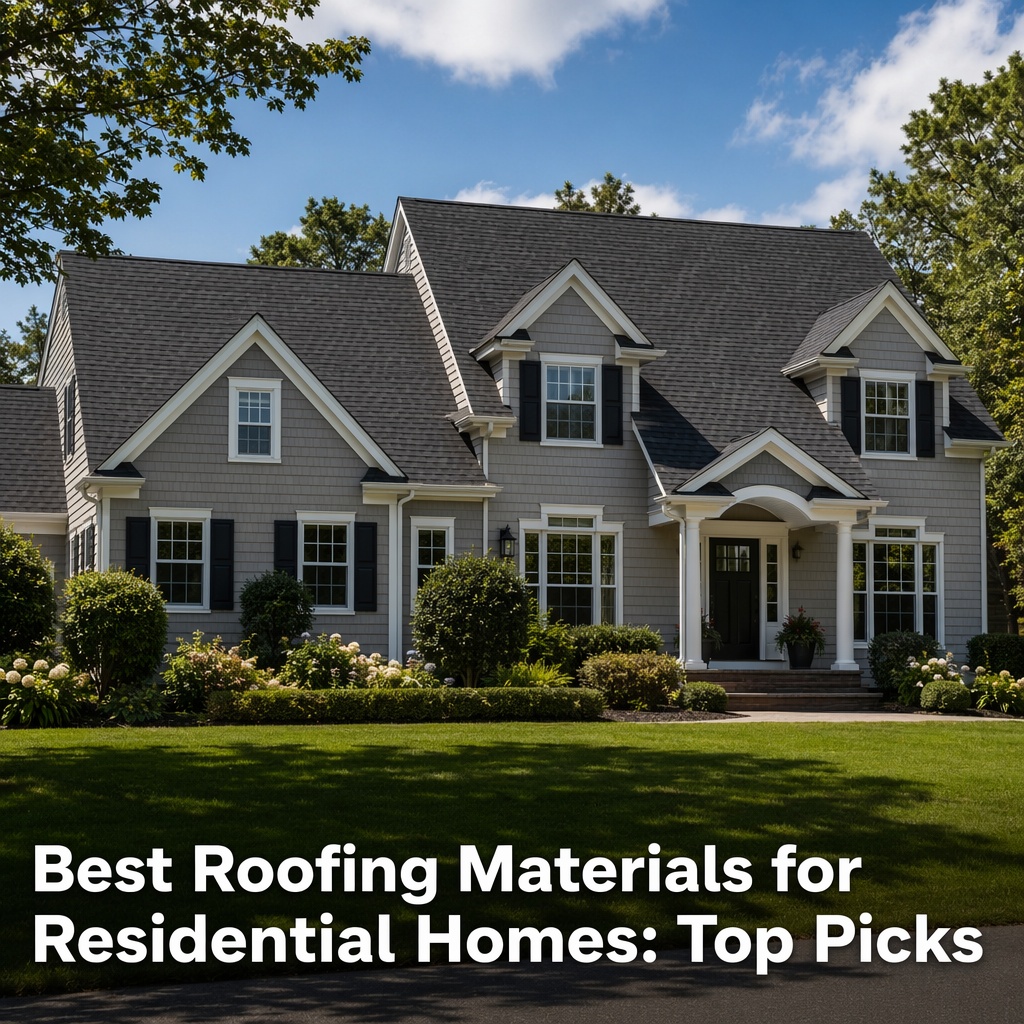
    Best Roofing Materials for Residential Homes: Top Picks

    Choosing the right roofing material is one of the most consequential decisions a homeowner can make. Your roof protects everything beneath it — your family, your belongings, your structural investment — and the material you select will determine how well it does that job for decades. With so many options available, from budget-friendly asphalt shingles to premium slate roofing, the choices can feel overwhelming.

    The good news is that there is a genuinely right answer for most homes, and it comes down to matching material to your specific situation. Roof durability, roofing cost, local climate, and your long-term plans all factor into the equation. Understanding how each material performs in the real world makes the decision far more manageable.

    This guide walks through every major residential roofing material, compares costs and performance honestly, and gives you the practical knowledge to have a confident conversation with any roofing contractor. No filler, no vague advice — just clear information to help you make the best call for your home.

    Key Factors in Choosing the Best Roofing Material

    Before comparing specific materials, it helps to understand the criteria that separate a smart roofing choice from a regrettable one. Every homeowner’s situation is different, and the best material for a coastal home in Florida is not the same as the best choice for a mountain cabin in Colorado.

    Climate, Location, and Weather Resistance

    Weather resistance is the single most important performance factor for any roofing material. A roof that looks beautiful but fails under local weather conditions is a liability, not an asset.

    High-wind zones require materials rated for impact and uplift resistance. Metal roofing and architectural shingles perform well here. Areas with heavy snowfall need roofs that handle weight load and freeze-thaw cycles without cracking or leaking.

    Hot, sunny climates benefit from materials with high solar reflectance, which reduces heat absorption and lowers cooling costs. Clay tiles and metal roofing both excel in these environments. Coastal areas need corrosion-resistant options, making certain metal roofing grades and concrete tiles strong candidates.

    Budget, Longevity, and Total Cost of Ownership

    Upfront roofing cost is only part of the financial picture. A cheaper material that needs replacement in fifteen years may cost more over time than a premium option with a fifty-year roof lifespan.

    If you want a detailed breakdown of what homeowners actually spend on a new roof, the guide on new roof pricing and what drives those numbers is a useful starting point before you request contractor quotes.

    Total cost of ownership includes installation, routine roof maintenance, repairs, and eventual roof replacement. Slate roofing has a high upfront cost but rarely needs replacement within a homeowner’s lifetime. Asphalt shingles cost less initially but require more frequent replacement cycles.

    Aesthetics, Curb Appeal, and Home Style Compatibility

    Roofing material affects home value more than most homeowners realize. A roof that clashes with your home’s architectural style can reduce curb appeal and make resale harder.

    Colonial and craftsman homes pair naturally with wood shingles or architectural shingles. Mediterranean-style homes are almost always designed around clay tiles or concrete tiles. Modern and contemporary homes often look best with standing seam metal roofing or flat roofing systems.

    Color, texture, and profile all matter. Most manufacturers offer extensive color ranges, so you have flexibility even within a single material category.

    Energy Efficiency and Environmental Impact

    Energy efficiency has become a major factor in roofing decisions. Roof insulation quality, ventilation design, and the material’s solar reflectance index all affect your monthly energy bills.

    Metal roofing with reflective coatings can significantly reduce cooling loads in warm climates. Green roofing systems, which incorporate vegetation layers, provide insulation and stormwater management benefits. Solar roofing integrates photovoltaic cells directly into the roof surface, turning your roof into an energy asset.

    Material Avg. Lifespan Energy Efficiency Relative Cost Maintenance Level
    Asphalt Shingles 20–30 years Moderate Low Low–Moderate
    Metal Roofing 40–70 years High Moderate–High Low
    Clay Tiles 50–100 years High High Low–Moderate
    Slate Roofing 75–150 years Moderate Very High Low
    Wood Shingles 20–30 years Moderate Moderate High
    Synthetic Roofing 30–50 years Moderate–High Moderate Low

    Top Roofing Materials for Residential Homes

    Each major roofing material has a distinct performance profile. Understanding where each one excels — and where it falls short — helps you narrow the field quickly.

    Asphalt Shingles: Affordable, Versatile, and Widely Used

    Asphalt shingles dominate the residential roofing market for good reason. They are affordable, easy to install, widely available, and compatible with most home styles. Most roofing contractors have deep experience with them, which keeps installation costs competitive.

    There are two main types: three-tab shingles, which are thinner and less expensive, and architectural shingles, which are thicker, more durable, and better-looking. Architectural shingles are the better investment for most homeowners, offering improved weather resistance and a longer roof lifespan without a dramatic price increase.

    The main limitation of asphalt shingles is longevity. Even premium architectural shingles typically last twenty-five to thirty years, which means most homeowners will face at least one roof replacement during their time in a home. They also perform poorly in extreme heat over time, which can accelerate granule loss and shorten their effective lifespan.

    Metal Roofing: Durability, Energy Savings, and Low Maintenance

    Metal roofing has moved well beyond industrial applications and is now a popular residential choice. Steel, aluminum, copper, and zinc are all used, with steel being the most common for residential roof installation due to its balance of cost and performance.

    Standing seam metal roofing offers exceptional weather resistance, handles high winds and heavy snow loads effectively, and reflects solar heat to reduce cooling costs. Its roof lifespan of forty to seventy years means most homeowners will never need to replace it again after installation.

    Roof maintenance for metal is minimal. There are no shingles to crack or curl, and properly installed metal roofing resists moss, algae, and rot. The higher upfront roofing cost is offset by lower lifetime maintenance expenses and energy savings.

    Clay and Concrete Tiles: Premium Look and High Weather Resistance

    Clay tiles are one of the oldest roofing materials in use, and their longevity speaks for itself. Properly installed clay tiles can last fifty to one hundred years with minimal roof maintenance. They are fire-resistant, pest-resistant, and handle heat exceptionally well, making them a top choice in hot, dry climates.

    Concrete tiles offer a similar aesthetic at a lower price point. They are heavier than clay tiles but still durable and weather-resistant. Both clay and concrete tiles require a structurally reinforced roof deck due to their weight, which adds to roof installation costs.

    The visual impact of tile roofing is hard to match. For Mediterranean, Spanish, or Southwestern-style homes, clay or concrete tiles are often the only material that looks architecturally correct.

    Slate Roofing: Luxury Appearance and Exceptional Lifespan

    Slate roofing is the premium tier of residential roofing. Natural slate is quarried stone, and its roof lifespan can exceed one hundred years when properly installed and maintained. It is fireproof, waterproof, and resistant to freeze-thaw damage, making it one of the most durable materials available.

    The challenges are weight and cost. Slate is extremely heavy, requiring significant structural reinforcement. Roof installation requires specialized contractors with slate experience, and finding qualified professionals can be difficult in some regions. Roofing cost for slate is among the highest of any material.

    For homeowners planning to stay in a home long-term or who are restoring a historic property, slate roofing is a legitimate investment. Its combination of beauty and durability is unmatched.

    Wood Shakes and Shingles: Natural Style and Niche Applications

    Wood shingles and wood shakes offer a natural, rustic aesthetic that many homeowners find appealing. Cedar is the most common species used, valued for its natural oils that resist moisture and insects. Wood roofing pairs well with craftsman, cottage, and traditional home styles.

    The practical challenges are significant. Wood roofing requires consistent roof maintenance — cleaning, treating, and inspecting — to prevent moss, mold, and rot. In fire-prone areas, wood shingles may be restricted or prohibited by local building codes. Their roof lifespan of twenty to thirty years is comparable to standard asphalt shingles but at a higher cost.

    Wood shakes and shingles occupy a niche role today. They are best suited for homeowners who prioritize aesthetics and are committed to the maintenance they require.

    Pricing, Benefits, and Real-World User Experience

    Understanding how roofing materials perform in practice — not just on paper — helps set realistic expectations before you commit to a roof replacement.

    Featured image

    Cost Ranges and Installation Considerations

    Roofing cost varies significantly by material, region, roof complexity, and contractor. Asphalt shingles are the most affordable, with installed costs typically ranging from three to six dollars per square foot. Metal roofing runs from seven to fifteen dollars per square foot installed, depending on the metal type and profile.

    Clay and concrete tiles range from ten to twenty dollars per square foot installed, with slate roofing reaching fifteen to thirty dollars or more. These figures are general ranges — actual quotes will vary based on your specific roof and local labor market.

    If you are weighing whether a full roof replacement makes financial sense versus targeted repairs, reviewing the comparison of roof replacement versus repair costs can help clarify which path saves more money over time.

    Roof installation complexity also affects cost. Steep pitches, multiple valleys, skylights, and chimneys all add labor time and material waste, increasing the final price regardless of which material you choose.

    Performance, Maintenance Needs, and Warranty Coverage

    Roof warranty coverage varies widely. Asphalt shingle manufacturers typically offer limited lifetime warranties on architectural shingles, though the actual coverage terms often diminish after the first decade. Metal roofing warranties commonly cover forty to fifty years for finish and structural integrity.

    Roof maintenance requirements differ dramatically by material. Metal roofing and slate require very little ongoing attention beyond periodic roof inspection. Wood shingles need annual cleaning and treatment. Clay and concrete tiles are low-maintenance but individual cracked tiles need prompt replacement to prevent water infiltration.

    A professional roof inspection every few years catches minor issues before they become expensive problems, regardless of which material covers your home.

    Noise, Comfort, and Everyday Living Under Different Roof Types

    Metal roofing has a reputation for being noisy during rain, but this is largely a myth for properly installed residential systems. When installed over solid sheathing with adequate roof insulation, metal roofing is no louder than asphalt shingles during rainfall.

    Clay and concrete tiles create natural air gaps that improve ventilation and reduce heat transfer into the attic. This passive roof ventilation benefit helps keep upper floors cooler in summer. Slate roofing provides excellent thermal mass, moderating temperature swings inside the home.

    Asphalt shingles are acoustically neutral and comfortable in most climates. Their main comfort limitation is heat absorption in very hot climates, which can increase attic temperatures and raise cooling costs without adequate roof insulation and ventilation.

    Best Alternatives and Buying Advice

    Beyond the traditional materials, several newer options deserve serious consideration. And regardless of which material you choose, how you buy matters as much as what you buy.

    Emerging Alternatives: Synthetic, Stone-Coated Steel, and Solar Options

    Synthetic roofing materials have improved dramatically in quality and appearance. Synthetic slate and synthetic wood shakes replicate the look of natural materials at a fraction of the weight and cost. They offer good roof durability, are impact-resistant, and require minimal roof maintenance.

    Stone-coated steel combines the durability of metal roofing with a textured surface that mimics tile or shingle profiles. It handles extreme weather well and carries strong roof warranty coverage. It is an excellent middle-ground option for homeowners who want metal performance without the industrial aesthetic.

    Solar roofing integrates photovoltaic technology directly into roofing materials, eliminating the need for rack-mounted panels. While roofing cost is higher than conventional materials, the energy generation offsets utility bills over time. Solar roofing works best in high-sun regions and for homeowners planning long-term occupancy.

    How to Match Roofing Material to Your Specific Home and Plans

    The right material depends on your home’s structure, your climate, your budget, and how long you plan to stay. A home with an older roof deck may not support the weight of clay tiles or slate without reinforcement, which changes the cost equation significantly.

    Consider your timeline honestly. If you plan to sell within five to ten years, a premium material like slate roofing may not deliver a return on investment. Asphalt shingles or a quality metal roofing option may be more financially sensible. If you are staying long-term, investing in a fifty-plus-year material makes strong financial sense.

    • Check local building codes for material restrictions, especially in fire-prone or HOA-governed areas
    • Confirm your roof structure can support heavier materials before requesting tile or slate quotes
    • Factor in your local climate’s dominant weather challenges when prioritizing weather resistance
    • Align material choice with your home’s architectural style for maximum curb appeal and home value
    • Request energy efficiency data from manufacturers if reducing utility costs is a priority

    Questions to Ask Roofers and Red Flags to Avoid

    A qualified roofing contractor will welcome detailed questions. Anyone who deflects or rushes you through the process is a red flag worth heeding.

    • Ask for proof of licensing, insurance, and manufacturer certification for the material you are considering
    • Request a written, itemized estimate that separates material costs from labor costs
    • Ask how they handle roof ventilation and whether the existing system will be evaluated
    • Confirm what roof warranty coverage applies — both manufacturer and workmanship warranties
    • Ask for references from recent jobs using the same material on similar homes

    Red flags include door-to-door solicitation after storms, demands for large upfront cash payments, vague contracts without material specifications, and pressure to sign immediately. A reputable roofing contractor will give you time to review the proposal and compare quotes.

    Conclusion

    Selecting the right roofing material is a long-term decision that affects your home’s protection, energy efficiency, curb appeal, and resale value. Asphalt shingles remain the practical choice for most homeowners due to their low cost and wide availability. Metal roofing offers the best combination of durability, energy savings, and low maintenance for those willing to invest more upfront. Clay tiles, slate roofing, and synthetic alternatives each serve specific needs and home styles exceptionally well.

    The key is matching material to your actual situation — your climate, your budget, your home’s structure, and your plans. Armed with the right information and a qualified roofing contractor, you can make a confident decision that protects your home for decades.

    FAQ

    What is the best all-around roofing material for most residential homes?

    Architectural asphalt shingles are the best all-around choice for most homeowners. They offer a solid balance of roofing cost, roof durability, weather resistance, and ease of roof installation. They work well across most climates, suit a wide range of home styles, and are supported by virtually every roofing contractor. For homeowners wanting longer roof lifespan and lower lifetime maintenance, metal roofing is the next best option and worth the higher upfront investment.

    Which roofing material lasts the longest and is it worth the higher upfront cost?

    Slate roofing has the longest roof lifespan of any residential material, often lasting seventy-five to one hundred fifty years. For homeowners with a long-term ownership horizon and a structurally capable home, slate is worth the premium. Clay tiles are a close second in longevity and more widely available. The higher roofing cost of these materials is offset by the fact that you may never need another roof replacement, eliminating future installation costs entirely.

    How do I decide between asphalt shingles and metal roofing for my home?

    The decision comes down to budget, timeline, and climate. If upfront roofing cost is the primary concern and you expect to sell within ten to fifteen years, architectural asphalt shingles are the practical choice. If you plan to stay long-term, live in a high-wind or high-heat climate, or want to minimize roof maintenance over time, metal roofing delivers better value across the ownership period. Get quotes for both, compare total cost of ownership rather than just installation price, and factor in your local weather conditions before deciding.

  • Roof Replacement vs Repair: Which Saves You More?

    Roof Replacement vs Repair: Which Saves You More?

    Your roof is one of the most expensive components of your home, and when something goes wrong, the pressure to make the right financial decision is real. Do you patch the problem and move on, or do you commit to a full replacement? The answer is not always obvious, and making the wrong call can cost you thousands of dollars more in the long run.

    Most homeowners assume that repair is always the cheaper option. That is true in the short term, but not always over time. A series of repeated repairs on an aging roof can quietly drain your budget while leaving the underlying problems untouched. Understanding the full picture — costs, lifespan, risk, and return — is the only way to make a decision you will not regret.

    This guide breaks down both options honestly, comparing real costs, real risks, and the specific situations where each choice makes the most financial sense. By the end, you will have a clear framework for deciding what is right for your roof, your home, and your wallet.

    Cost Comparison at a Glance

    Typical Repair Costs vs Full Replacement Costs

    Roof repair cost varies widely depending on the type and extent of the damage. Minor fixes like replacing a few missing asphalt shingles or sealing a small leak typically run between a few hundred dollars and around one thousand dollars. More involved repairs — such as fixing roof flashing, replacing damaged sections of the roof deck, or addressing water damage around a chimney — can push costs into the two to four thousand dollar range.

    Roof replacement cost is a much larger investment. For an average-sized home, a full replacement using standard asphalt shingles generally falls between eight thousand and fifteen thousand dollars. Premium roofing materials like metal roofing or architectural shingles can push that number significantly higher. If you want a detailed breakdown of what homeowners actually spend, this guide on new roof pricing and what drives it covers the numbers in depth.

    Service Type Typical Cost Range Best For
    Minor Roof Repair $150 – $1,000 Small leaks, a few missing shingles
    Moderate Roof Repair $1,000 – $4,000 Flashing, deck damage, larger sections
    Full Roof Replacement (Asphalt) $8,000 – $15,000 Aging or severely damaged roofs
    Full Roof Replacement (Metal) $15,000 – $30,000+ Long-term durability, premium homes

    How Roof Size, Materials, and Labor Affect Pricing

    Roof size is measured in squares, where one square equals one hundred square feet. The larger the roof, the higher the material and labor costs for both repair and replacement. A steep roof pitch also adds to labor costs because it requires additional safety equipment and slows down the work.

    Roofing materials make one of the biggest differences in total price. Asphalt shingles remain the most affordable and widely used option. Metal roofing costs more upfront but lasts significantly longer. Flat roof systems use different materials entirely, such as TPO or modified bitumen, and have their own pricing structures.

    Labor costs vary by region and by the complexity of the job. A roofing contractor in a high cost-of-living area will charge more per square than one in a rural market. Always get at least three quotes before committing to either a repair or a full replacement.

    Feature-by-Feature Comparison

    Scope of Work and What Each Option Includes

    Roof repair is targeted. A qualified roofing contractor identifies the specific area of damage and addresses only that section. This might include replacing broken or missing shingles, resealing roof flashing around vents or skylights, patching small holes, or fixing minor roof deck rot. The work is localized, and the rest of the roof is left as-is.

    Roof replacement is comprehensive. Everything comes off — old shingles, underlayment, and sometimes the roof deck itself if rot or structural damage is found. New materials go on from scratch, including fresh underlayment, new shingles or metal panels, updated flashing, and improved roof ventilation if needed. Building permits are typically required for a full replacement, adding a small cost but also ensuring the work meets local code.

    The scope difference matters because repair leaves existing vulnerabilities in place, while replacement eliminates them entirely. That distinction becomes critical when a roof is already showing widespread wear.

    Durability, Lifespan, and Maintenance Needs

    Roof lifespan depends heavily on the materials used. Standard asphalt shingles last roughly twenty to thirty years under normal conditions. Metal roofing can last forty to seventy years. A repaired section of an older roof does not reset the clock — the surrounding materials are still aging, and the repaired area may not match the original in quality or performance.

    A full replacement gives you a fresh start. New roofing materials come with a manufacturer’s roof warranty, and many roofing contractors offer a separate workmanship warranty on top of that. This dual protection gives homeowners real peace of mind and reduces the likelihood of surprise maintenance costs in the near term.

    Maintenance needs also differ. A repaired roof still requires regular roof inspection to catch new problems as the rest of the system ages. A newly replaced roof needs less frequent attention in its early years, though annual inspections are still a smart habit regardless.

    Risk of Recurring Leaks and Hidden Damage

    One of the biggest risks with repair is what you cannot see. Water damage rarely stays contained to the visible entry point. Moisture can travel along the roof deck, seep into insulation, and cause mold or rot in areas that look perfectly fine from the outside. A repair that fixes the surface symptom may leave the underlying cause untouched.

    Repeated leaks are a red flag. If the same area keeps leaking after multiple repairs, the problem is almost certainly systemic rather than isolated. At that point, continued repair spending is essentially throwing money at a roof that has already failed structurally.

    A professional roof inspection before committing to either option is non-negotiable. An experienced roofing contractor can identify hidden damage, assess the overall condition of the roof deck, and give you an honest recommendation based on what they actually find rather than what is visible from the ground.

    Unique Selling Points and Decision Triggers

    When Roof Repair Is the Better Value

    Repair makes strong financial sense in specific situations. The most obvious is when the damage is genuinely isolated and the rest of the roof is in solid condition. If a storm knocks off a handful of shingles or a small section of flashing pulls away from a vent, a targeted repair is fast, affordable, and effective.

    Repair also makes sense when the roof is relatively young. A roof that is less than halfway through its expected lifespan and has no widespread issues is a good candidate for repair rather than full replacement. Spending a few hundred dollars to extend the life of a roof that still has many years left in it is a smart use of money.

    Here are the clearest signals that repair is the right call:

    • Damage is limited to one small area
    • The roof is less than halfway through its expected lifespan
    • No signs of widespread granule loss on asphalt shingles
    • No evidence of water damage or rot in the roof deck
    • The repair cost is well below twenty-five percent of replacement cost

    When Roof Replacement Is the Smarter Investment

    Replacement becomes the better financial decision when the roof is old, when damage is widespread, or when repairs have become a recurring expense. At a certain point, patching an aging roof is like putting new tires on a car with a failing engine — you are spending money without solving the real problem.

    Energy efficiency is another factor worth considering. Older roofs often lack proper roof ventilation and insulation, which drives up heating and cooling costs. A new roof with modern materials and improved ventilation can meaningfully reduce energy bills, adding to the return on investment over time.

    Replacement also protects home value. A new roof is one of the highest-return home improvement projects available, and it makes a property significantly more attractive to buyers. If you are planning to sell within the next few years, a full replacement may pay for itself through a higher sale price and faster closing.

    Repair-to-Replacement Cost Thresholds

    A widely used rule of thumb in the roofing industry is the fifty percent rule. If the cost of repair exceeds fifty percent of the cost of full replacement, replacement is almost always the better financial choice. You are spending too much to fix a system that is already near the end of its useful life.

    A more conservative threshold puts that trigger at twenty-five to thirty percent. If repair costs are approaching a third of what replacement would cost, it is worth getting a full replacement quote and comparing the long-term math carefully.

    Featured image

    The age of the roof should always factor into this calculation. A repair that costs thirty percent of replacement value on a roof with only three years of life left is a poor investment. The same repair on a roof with fifteen years remaining is a reasonable one.

    Best Use Case Scenarios

    Localized Damage on a Younger Roof

    A younger roof with isolated damage is the clearest case for repair. Imagine a roof that is eight years old and in otherwise excellent condition. A falling tree branch damages a small section of asphalt shingles and the underlayment beneath. A roofing contractor can replace that section cleanly, match the existing shingles reasonably well, and restore the roof’s integrity for a fraction of replacement cost.

    In this scenario, repair is not just cheaper — it is the objectively correct choice. The roof has significant life remaining, the damage is contained, and there is no systemic failure at play. A roof inspection confirms the rest of the system is sound, and the repair comes with a short workmanship warranty from the contractor.

    DIY roofing is sometimes considered for minor repairs like this, but it carries real risk. Improper installation can void the manufacturer’s roof warranty and create new leak points. For anything beyond replacing a single shingle, hiring a licensed roofing contractor is the safer and smarter move.

    Widespread Wear, Age, or Repeated Repairs

    A roof that is approaching or past its expected lifespan tells a different story. Widespread granule loss on asphalt shingles, sagging sections, multiple active leaks, and visible daylight through the attic are all signs that the system has failed broadly. Repair at this stage is a temporary fix at best.

    Consider a roof that has had three separate repairs in the past few years, each addressing a different leak in a different location. That pattern signals that the roofing materials have degraded to the point where new failure points will keep emerging. Each repair buys a little time but does not address the root cause — an aging roof that has simply run its course.

    • Shingles are curling, cracking, or missing in multiple areas
    • Granules are collecting in gutters consistently
    • The attic shows signs of moisture, mold, or daylight
    • Multiple repairs have been made in recent years
    • The roof is within five years of its expected end of life

    In these cases, replacement is not just smarter — it is the only option that actually solves the problem.

    Insurance, Storm Damage, and Structural Issues

    Storm damage changes the financial equation significantly. Insurance claims can cover a substantial portion of roof replacement cost when damage is caused by a covered event like hail, wind, or falling debris. Homeowners who experience significant storm damage should always file a claim and have a professional roof inspection completed before agreeing to any repair work.

    Insurance companies sometimes push for repair when replacement is warranted. Having an independent roofing contractor assess the damage and document it thoroughly gives you leverage in the claims process. Structural damage — including compromised roof deck sections, damaged rafters, or widespread water damage — almost always justifies full replacement, and insurers generally recognize this when the documentation is solid.

    Building permits are required for full replacements in most jurisdictions and are sometimes required for major repairs as well. Pulling the proper permits protects you legally and ensures the work is inspected for code compliance. A contractor who suggests skipping permits is a red flag worth taking seriously.

    Conclusion

    The right choice between repair and replacement comes down to three things: the age of your roof, the extent of the damage, and the honest math of what each option costs over time. Repair wins when damage is isolated and the roof has significant life remaining. Replacement wins when the system is aging, damage is widespread, or repair costs are climbing toward replacement territory.

    Neither option is universally better. What matters is making the decision based on a thorough roof inspection, accurate quotes from a qualified roofing contractor, and a clear-eyed look at the long-term numbers. Spending a little more now on the right solution almost always saves more money than the cheaper short-term fix that fails again in two years.

    FAQ

    How do I know if repair is enough or replacement is needed?

    Start with a professional roof inspection. A qualified roofing contractor will assess the overall condition of your roof, identify any hidden water damage or structural damage, and give you an honest recommendation. Key indicators that replacement is needed include widespread shingle deterioration, multiple active leaks, significant roof deck damage, and a roof that is near or past its expected lifespan. If repair costs exceed twenty-five to fifty percent of replacement cost, replacement is almost always the better financial decision.

    Why is roof replacement so much more expensive than repair?

    Roof replacement cost is higher because it involves removing all existing materials, inspecting and potentially replacing the roof deck, installing new underlayment, applying new roofing materials across the entire surface, and updating components like roof flashing and roof ventilation. Labor costs are substantial because the job takes a full crew multiple days to complete. Building permits add a small additional cost. Repair, by contrast, addresses only a specific area and requires far less material and labor.

    Can insurance help pay for roof repair or replacement?

    Yes, homeowner’s insurance can cover both repair and replacement costs when the damage results from a covered event such as storm damage, hail, wind, or falling objects. Coverage depends on your specific policy, your deductible, and the cause of the damage. Normal wear and age-related deterioration are typically not covered. Filing an insurance claim promptly after storm damage and having a roofing contractor document the damage thoroughly gives you the best chance of a favorable outcome. Always review your policy details and work with a licensed contractor who has experience navigating insurance claims.

  • New Roof Cost: What Homeowners Actually Pay

    New Roof Cost: What Homeowners Actually Pay

    Replacing a roof is one of the largest home improvement expenses most people will ever face. The price tag can feel overwhelming before you even get a single quote, and the wide range of numbers you find online does not make things easier. Understanding what actually drives the cost puts you in a much stronger position to budget, negotiate, and make smart decisions.

    Most homeowners are surprised to learn how much variation exists in roofing prices, even within the same neighborhood. A roof replacement on a modest ranch home looks nothing like the job on a steep, multi-gabled colonial. Material choices, contractor experience, local labor markets, and the condition of your existing roof all play a role in the final number.

    This guide breaks down what you can realistically expect to pay, what factors push costs up or down, and how to approach the process without overspending or sacrificing quality. The goal is to give you a clear, honest picture so you can walk into contractor conversations with confidence.

    Average Cost of a New Roof

    Roof replacement costs vary widely, but most homeowners spend somewhere between $5,500 and $25,000 for a full job. The middle of that range, roughly $8,000 to $15,000, covers the majority of standard residential projects using asphalt shingles on a typical single-story home. Larger homes, premium materials, or complex roof designs push costs toward the higher end.

    Typical price ranges by roof size

    Roof size is measured in “squares,” where one square equals 100 square feet of roof surface. Cost per square foot is one of the most useful benchmarks when comparing quotes or estimating your own budget.

    Home Size (sq ft)Estimated Roof AreaAsphalt Shingle CostMetal Roofing Cost
    1,000 sq ft11–13 squares$4,500–$7,000$9,000–$16,000
    1,500 sq ft16–18 squares$6,500–$10,000$13,000–$22,000
    2,000 sq ft20–24 squares$8,500–$14,000$17,000–$30,000
    2,500 sq ft25–30 squares$11,000–$18,000$22,000–$38,000
    3,000 sq ft30–36 squares$13,000–$22,000$26,000–$45,000

    These figures include materials and labor but may not account for tear-off, disposal, or structural repairs. Always treat them as starting estimates rather than firm quotes.

    National averages versus local variation

    Geographic location has a significant impact on what you pay. Labor costs in major metropolitan areas run considerably higher than in rural regions. Material delivery fees, local permit requirements, and regional demand for roofing contractors all shift the final number.

    A homeowner in a high-cost urban market might pay 30 to 50 percent more than someone in a lower-cost region for the exact same job. Homeowners insurance claims and storm-related demand can also temporarily spike prices in areas recovering from severe weather events.

    Always get local roofing estimates rather than relying solely on national averages. Online calculators are useful for ballpark figures, but a roofing contractor who knows your market will give you a far more accurate number.

    What Drives Roof Replacement Pricing

    Several interconnected factors determine what your specific roof replacement will cost. Breaking them down individually helps you understand where your money goes and where there might be room to adjust.

    Roofing material choices

    The material you choose is often the single biggest variable in your roofing estimate. Asphalt shingles remain the most popular and affordable option for most homeowners, typically costing between $3.50 and $5.50 per square foot installed. They offer a solid balance of durability, appearance, and value.

    Metal roofing costs significantly more upfront, usually $7 to $14 per square foot installed, but it lasts two to three times longer than asphalt. Tile roofing, including clay and concrete options, falls in a similar premium range and adds considerable weight that some homes require structural reinforcement to support. Wood shingles offer a natural aesthetic but demand more maintenance and carry higher fire risk in certain climates.

    • Asphalt shingles: most affordable, widely available, 20–30 year lifespan
    • Metal roofing: higher upfront cost, exceptional longevity, energy efficiency benefits
    • Tile roofing: premium look, very durable, heavy and expensive to install
    • Wood shingles: attractive appearance, requires regular maintenance
    • Flat roof systems: common on commercial and some residential properties, different installation methods

    Each material also requires specific underlayment and flashing products, which add to the overall cost. Skimping on these components to save money often leads to premature failures and expensive repairs.

    Roof size, pitch, and complexity

    Roof size is obvious, but pitch and complexity are factors many homeowners overlook when budgeting. Roof pitch refers to the steepness of the slope. A steeply pitched roof requires more safety equipment, slower work, and more physical effort from the crew, all of which increase labor costs.

    A low-slope or flat roof is generally easier and faster to work on, while a steep or complex roof with multiple valleys, dormers, and angles can cost 25 to 50 percent more in labor alone. Every additional valley, chimney, skylight, or architectural feature adds time and material to the job.

    Ventilation is another complexity factor. Proper attic ventilation extends the life of your new roof and is often required by building codes. If your existing ventilation is inadequate, your contractor may recommend upgrades during the replacement, adding to the total cost.

    Labor, tear-off, and disposal costs

    Labor costs typically represent 40 to 60 percent of a total roofing estimate. Experienced roofing contractors charge more, but they also work more efficiently and are less likely to make costly mistakes. Cutting corners on labor is one of the most common sources of roofing problems down the road.

    Tear-off and disposal are often underestimated line items. Removing your old roof, hauling away the debris, and disposing of it properly adds $1 to $2 per square foot to most jobs. If you have multiple layers of old shingles, costs increase further because each layer must be removed before new materials go down.

    Permits and fees are another real cost. Most municipalities require a permit for roof replacement, and fees vary by location. Your roofing contractor should pull the permit on your behalf, and you should be cautious of any contractor who suggests skipping this step.

    How to Estimate Your Own Roof Budget

    Getting a rough estimate before you call contractors helps you evaluate quotes more critically and avoid being caught off guard by the numbers.

    Measure roof area and compare per-square-foot pricing

    You can estimate your roof area by measuring the footprint of your home and applying a multiplier based on your roof pitch. A simple gable roof on a 2,000 square foot home might have a roof surface of around 2,200 to 2,400 square feet once pitch is factored in. More complex roofs with multiple slopes will have a larger surface area relative to the home’s footprint.

    Once you have a rough square footage, multiply by the cost per square foot for your preferred material. Add 10 to 15 percent for waste, cuts, and overlap. Then add estimated labor costs, which your contractor will specify in their roofing estimate.

    • Measure your home’s footprint length and width
    • Multiply by a pitch factor (1.0 for flat, up to 1.4 or higher for steep roofs)
    • Add 10–15 percent for material waste
    • Multiply by material cost per square foot
    • Add labor, tear-off, disposal, and permit costs

    This process gives you a working budget range before any contractor sets foot on your property. It also makes it easier to spot quotes that seem unusually high or suspiciously low.

    Identify hidden costs and upgrades

    Roof decking damage is one of the most common hidden costs in a replacement project. If your contractor discovers rotted or damaged decking during tear-off, it must be repaired before new materials go down. Budget an additional $2 to $4 per square foot for potential decking repairs.

    Gutters, flashing, and chimney work are often separate line items that homeowners forget to include in their initial budget. If your gutters are old or damaged, replacing them at the same time as your roof is often more cost-effective than doing it separately. Flashing around chimneys, skylights, and vents must be properly installed to prevent leaks, and this work adds to the total.

    A roof inspection before you commit to a full replacement can also reveal whether repair is a viable option. In some cases, targeted roof repair extends the life of your existing roof by several years at a fraction of the replacement cost.

    Ways to Save Without Cutting Quality

    Saving money on a roof replacement does not mean choosing the cheapest contractor or the lowest-grade materials. It means being strategic about how and when you spend.

    Compare multiple contractor quotes

    Getting at least three quotes from licensed roofing contractors is the single most effective way to ensure you are paying a fair price. Quotes can vary by thousands of dollars for the same scope of work, and comparing them helps you understand what is and is not included.

    When reviewing quotes, look beyond the bottom line. Check that each quote specifies the same materials, the same number of layers being removed, and whether permits and disposal are included. A lower quote that excludes these items may end up costing more than a higher quote that covers everything.

    Ask each roofing contractor about their experience with your specific material type, their crew size, and their timeline. A contractor who is vague about these details may not be the right fit regardless of price.

    Choose materials and timing strategically

    Asphalt shingles offer the best value for most homeowners who plan to stay in their home for 15 to 20 years. If you are planning to sell soon, a mid-grade asphalt shingle replacement is usually sufficient to satisfy buyers and home inspectors without overspending on premium materials.

    Scheduling your roof replacement during slower seasons for roofing contractors can sometimes result in better pricing or faster scheduling. Late fall and winter tend to be slower in many regions, and some contractors offer modest discounts to keep their crews working.

    Energy efficiency is worth considering when selecting materials. Certain metal roofing products and reflective asphalt shingles can reduce cooling costs, which partially offsets their higher upfront price over time.

    Look for warranties and long-term value

    A roof warranty is not just a marketing tool. It is a meaningful financial protection that can save you thousands if problems arise. Most asphalt shingle manufacturers offer product warranties ranging from 25 years to lifetime coverage, but the terms vary significantly.

    • Manufacturer warranties cover defects in the roofing materials themselves
    • Workmanship warranties from your contractor cover installation errors
    • Extended warranties may require certified contractor installation
    • Read the fine print on transferability if you plan to sell your home

    Homeowners insurance may cover roof replacement if damage results from a covered event like a storm or hail. Review your policy before paying out of pocket, and ask your contractor whether they have experience working with insurance claims.

    Conclusion

    Roof replacement is a significant investment, but it is also one that protects everything inside your home. Understanding the cost drivers, knowing how to estimate your own budget, and approaching contractor conversations with clear expectations makes the entire process less stressful and more financially manageable. The best outcome is a quality roof installed by a skilled contractor at a fair price, and that outcome is absolutely achievable with the right preparation.

    FAQ

    How much does a new roof cost on average?

    Most homeowners pay between $8,000 and $15,000 for a standard asphalt shingle roof replacement on a typical single-family home. Larger homes, steeper pitches, premium materials, or significant structural repairs can push costs well above that range.

    What roof material is the most affordable?

    Asphalt shingles are consistently the most affordable roofing material for residential homes. They offer a reasonable lifespan, wide availability, and lower installation costs compared to metal roofing, tile roofing, or wood shingles.

    What extra costs can increase a roof replacement estimate?

    Several factors can add to your final bill beyond the base material and labor costs. Damaged roof decking, multiple layers of old shingles requiring tear-off, new flashing installation, gutter replacement, ventilation upgrades, and permit fees are all common additions that homeowners should budget for in advance.